由于数字印刷、智能手机摄像头的进步以及最近消费者习惯的改变,全球品牌正在接受用于防伪包装和文件的二维码防伪解决方案。综合来看,这些变化使得安全的二维码比传统的物理防伪特征(如全息图和标签剂)更具可扩展性和成本效益。
Blog
How to use QR codes for anti-counterfeiting: Dynamic vs. Secure
Our anti-counterfeiting technology team breaks down the main QR code solutions for anti-counterfeiting on product packaging.
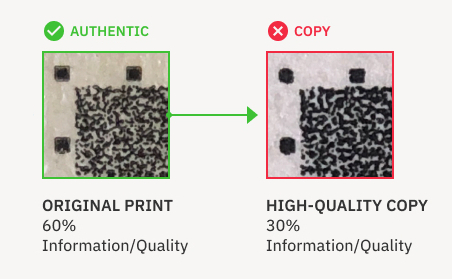
In this article, we apply decades of Scantrust experience pioneering anti-counterfeit security to an in-depth review of the security features, pros, and cons of using QR codes for anti-counterfeit packaging and documents.
We will review, in-depth:
- Overview: the types of QR codes typically used and whether they have a security feature
- How counterfeiters typically copy packaging and QR codes
- Static and dynamic QR code security
- Serialized (unique) code security
- Secure QR codes security
- How to protect against counterfeiters bypassing your QR code
- How practical it is for users to scan QR codes for product authentication
- How to choose a QR-code-based anti-counterfeiting solution
Overview of common QR code features and utility in anti-counterfeiting
The following shows several types of QR codes and their features as they can be applied to an anti-counterfeiting use case:
Serialized codes

- Test
- Test
- Test
Serialized codes
- Test
- Test
- Test
Serialized codes
- Test
- Test
- Test
Serialized codes
- Test
- Test
- Test